
Setting Up a Basic Cooking Toolkit
Build This Pantry and You’ll Never Panic About Dinner Again

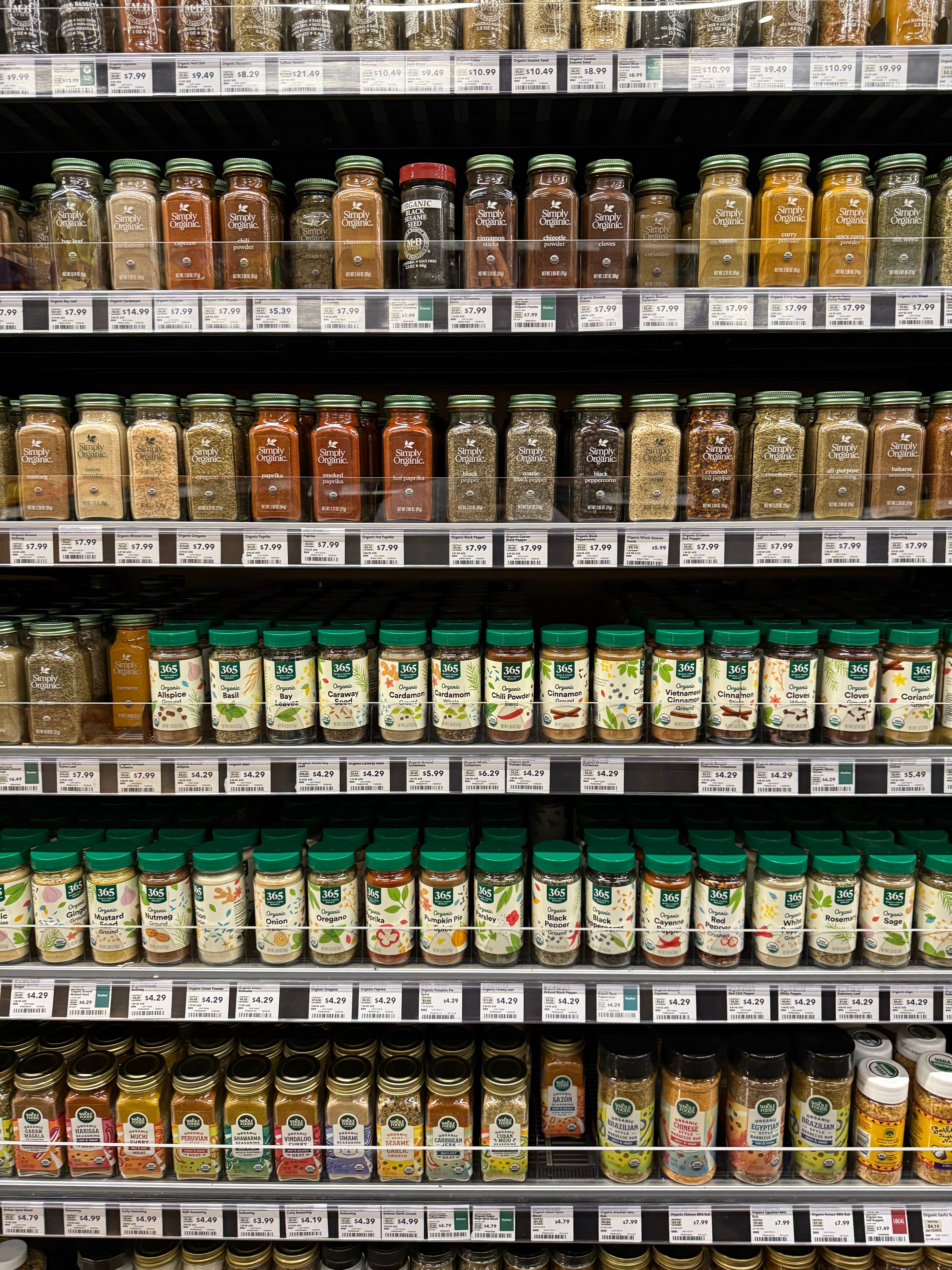
If you’re working to get into the kitchen more — or you’ve been cooking your own meals for years — it’s always worth doing a pantry refresh.
I consider a basic pantry a chef’s toolkit. It’s the collection of ingredients you should always have on hand so you can create a bevy of solid, satisfying meals on the fly. Not fussy or precious, but instead dependable and easy to find.
This isn’t about stocking exotic spices so you can make highly refined restaurant dishes on a whim; it’s about balance. Having the right core ingredients readily available so you can build flavor instinctively — salt and spice, vinegar and herbs, the proper fats to carry it all. A good pantry removes hesitation. It gives you options. It turns “What do we have?” into “Here’s what we’re making.”
Once that shift happens, cooking stops feeling like a project — and starts feeling like second nature.
First: Understand What You’re Building
A pantry isn’t a collection of stuff.
It’s a flavor system.
Every ingredient should answer one of these questions:
Does it add acid?
Does it add depth?
Does it carry flavor?
Does it balance sweetness or heat?
Does it make something taste more complete?
If it doesn’t do one of those things repeatedly, it doesn’t earn shelf space.
The Vinegar Strategy: Acid With Personality
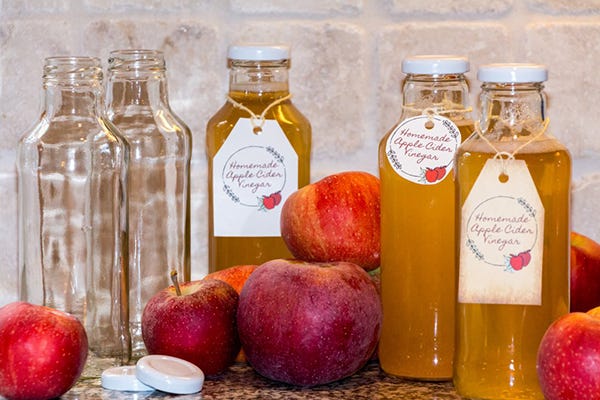
Most home cooks underuse acid. That’s why food tastes flat. You don’t need a dozen vinegars. You need (up to) three with different personalities.
Cider Vinegar
This is your workhorse. It’s bright but round, great in slaws, braises, soups, and quick pan sauces. It always cuts richness without tasting harsh.
Champagne Vinegar
Clean and delicate. Ideal for vinaigrettes and quick pickles when you want brightness without heaviness.
Sherry Vinegar
This is for depth. It’s slightly nutty, slightly aged - a few drops in sautéed mushrooms or a pan sauce and people start asking what you did differently.
Acid balances fat - Acid rescues bland food - And vinegar costs pennies per use
Foundational Spices: Immediate Complexity
Fresh garlic and onions are essential. But powdered spices are a different tool, definitely not a downgrade as many people suggest, they are just to be used differently.
Spices distribute evenly, they don’t add moisture, and they last longer
Here’s what earns permanent residency:
Garlic powder
Onion powder
Smoked paprika
Ancho chili powder
Chipotle powder
Whole black pepper (always grind fresh)
-Garlic and onion powder build a savory backbone to dishes without all of the chopping.
-Smoked paprika gives you smoke without a smoker.
-Ancho brings warmth and subtle fruitiness.
-Chipotle adds heat plus smoke in a single pinch.
-Whole peppercorns release volatile oils when ground. Pre-ground tastes like dust. Buy whole and try to grind fresh.
These are high-impact, low-cost ingredients that allow you to build layers instantly.
The Fat Plan: Flavor Carriers
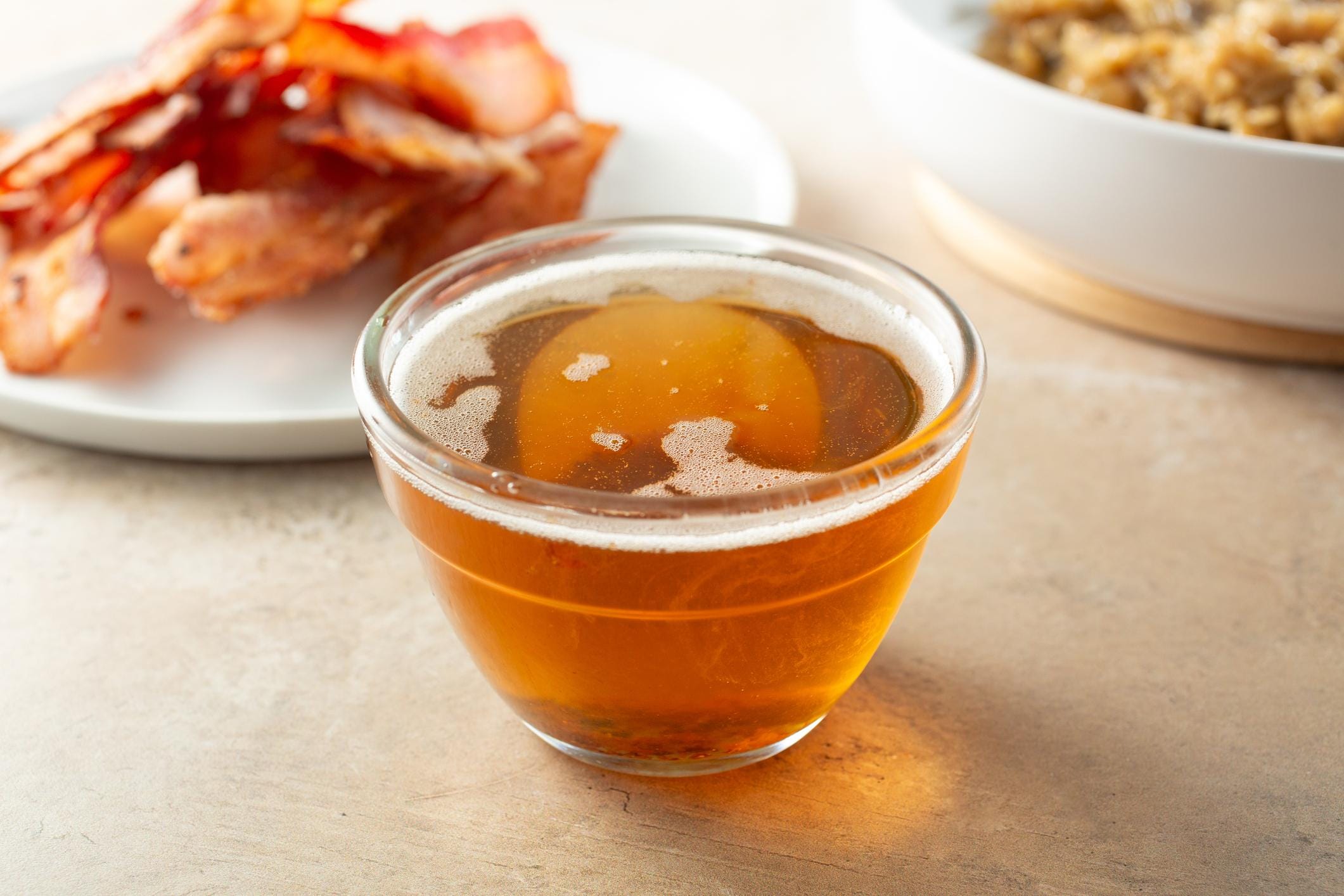
Fat isn’t just for cooking. It carries flavor and creates texture.
Extra Virgin Olive Oil
Use for finishing, dressings, and moderate heat cooking.
Look for dark glass bottles, harvest dates, and single origin when possible. It should taste grassy and slightly peppery — not flat and greasy.
Avocado Oil
Higher smoke point. Neutral. Ideal for searing without overpowering.
Bacon Fat
Save it - this is liquid umami. Roast vegetables in it once, and you’ll understand.
Beef Tallow
Stable and clean for high-heat cooking. Makes food taste rich without heaviness.
Ghee
Butter flavor without milk solids. Higher heat capable. Incredible in rice and eggs.
You don’t need ten oils or fats. You need good ones.
Quiet Flavor Builders
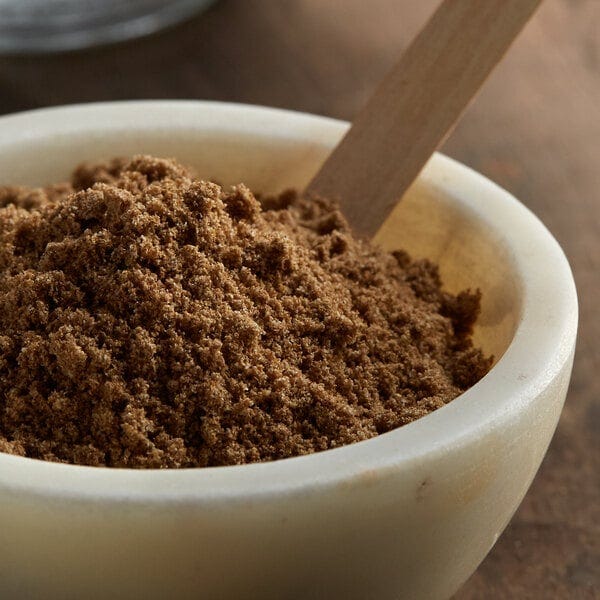
These make food taste intentional.
Dried oregano
Ground coriander (or whole, freshly ground)
Nutritional yeast
Za’atar
Oregano brings a Mediterranean backbone.
Coriander adds citrus warmth.
Nutritional yeast boosts umami without dairy.
Za’atar instantly elevates yogurt sauces and roasted vegetables.
They don’t scream. They support.
“Chef Gruel” Essentials
Small additions that punch above their weight:
Anchovy paste
Tomato paste (in a tube)
Raw local honey
Dijon mustard
Capers
Tamari
-Anchovy paste doesn’t make food taste fishy — it makes it taste complete.
-Tomato paste caramelized in fat builds instant depth.
-Honey balances heat and acid.
-Dijon emulsifies and sharpens.
-Capers bring briny brightness.
-Tamari adds clean umami.
These are the nudges that make a home-cooked meal feel finished.
What Does This Actually Cost?
Here’s the honest breakdown.
If you bought everything at once:
Vinegars: $18–26
Spices & flavor builders: $42–67
Fats: $38–59
Chef add-ons: $27–44
Total range: $125–196
Spread over 6–8 weeks?
About $20–30 per week.
And this isn’t food you consume in a week, it’s more of an infrastructure. If this pantry prevents just one $60 takeout night per week, it pays for itself almost immediately. After that, you’re cooking from strength.
How to Build It Without Overwhelm
Don’t buy everything in one trip.
Week 1: Salt, pepper, olive oil, garlic powder, cider vinegar
Week 2: Smoked paprika, onion powder, Dijon, tomato paste
Week 3: Avocado oil, oregano, coriander
Week 4: Sherry vinegar, honey, capers
Week 5: Add specialty items slowly
Use bulk bins for spices.
Watch for sales.
Save your bacon fat.
Upgrade strategically.
The Bigger Picture
With this pantry, you can build:
Salt
Fat
Acid
Heat
Sweetness
Smoke
Herbaceousness
Umami
That’s the entire flavor spectrum.
You don’t need more recipes all the time; you need a better foundation. A stocked pantry isn’t a luxury, it’s essential for “improv cooking”.
If you are starting your spice rack from scratch, The Dollar Store is a good place to start.
This is a great starter list! The vinegar suggestions are a good idea that I often forget about.
I never buy an entire jar of spices off the rack anymore--we go through phases where we love one type of cuisine, and then don't revisit it for years sometimes. And they're so expensive! So I just got some generic spice jars and write on them with sharpies, get a small quantity of spices from the bulk section for just a few cents, and rotate the lesser-used ones out and wipe the lids off with a magic eraser for something new later. No more stale spices taking up valuable cabinet space! Of course, we always have the basics--thyme, rosemary, basil, marjoram, cumin, coriander, pepper flakes, two kinds of paprika, dill, mustard seed, cinnamon, nutmeg, cloves, garlic/onion powder and granules, black and white pepper, and garam masala. We also are weird, so we like to have herbes de provence and a good poultry blend in jars that are easily accessible and restocked regularly.
Thanks for the great suggestions!